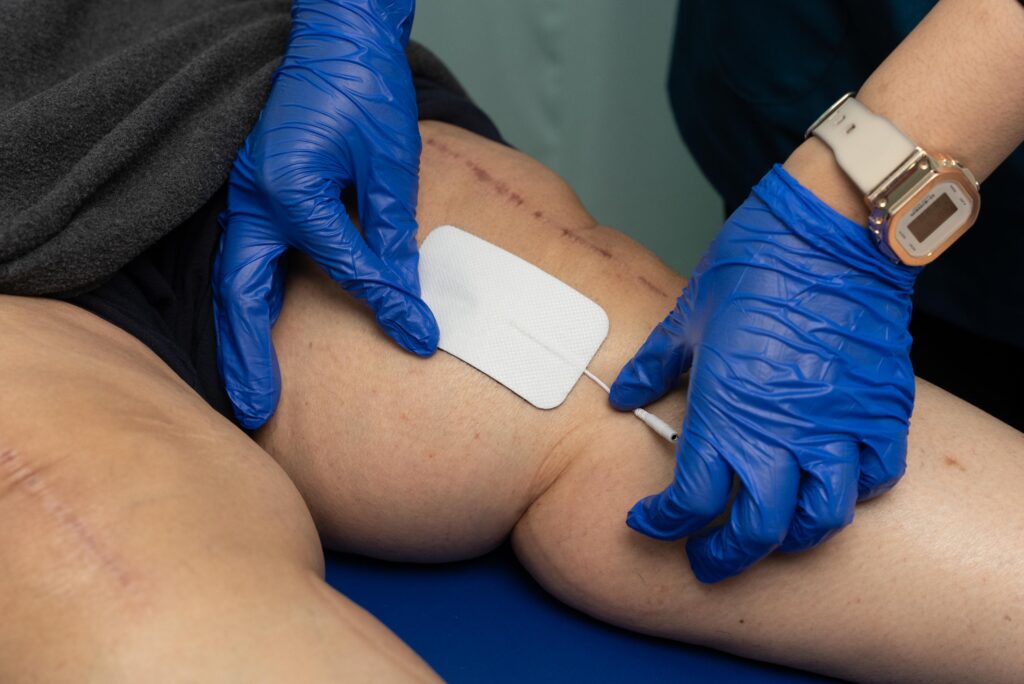

Electrotherapy involves the use of electrophysical agents (EPAs) to stimulate physiological responses in the body.
In physiotherapy, electrotherapy serves three primary roles:
- Pain Management: Devices like TENS (Transcutaneous Electrical Nerve Stimulation) and IFT (Interferential Therapy) alter pain thresholds by blocking pain signals to the brain (Gate Control Theory) and stimulating the release of endogenous opioids (endorphins).
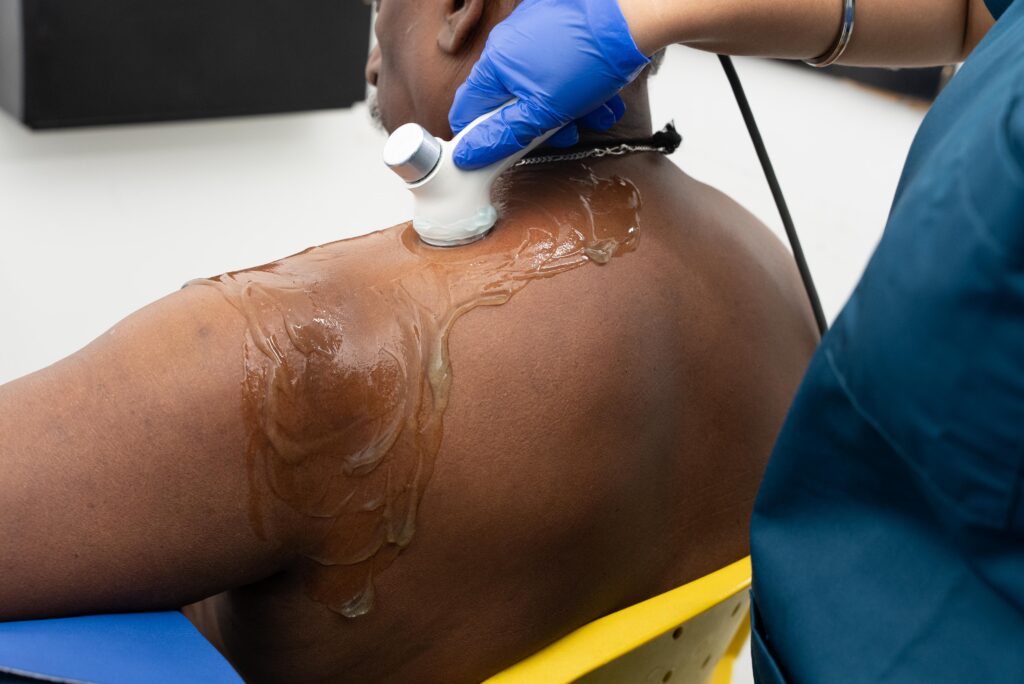
- Tissue Healing and Repair: Modalities such as Therapeutic Ultrasound and Short Wave Diathermy (SWD) increase deep tissue heating, enhance cellular metabolism, and improve localized blood flow, which accelerates the body’s natural healing process.
- Muscle Rehabilitation: Electrical Muscle Stimulation (EMS) is used to induce involuntary muscle contractions, helping to re-educate weak muscles, prevent atrophy after surgery or trauma, and restore range of motion.
The Role of Electrotherapy in Physiotherapy
Based on the evidence-driven approach championed in > Electrotherapy Explained: Principles and Practice (Robertson, Ward, Low, & Reed), electrotherapy involves the use of electrophysical agents (EPAs) to stimulate physiological responses in the body. The text emphasizes moving away from “recipe-based” treatments and instead urges clinicians to rely on clinical reasoning backed by biophysical science.
In physiotherapy, electrotherapy serves three primary roles:
- Pain Management: Devices like TENS (Transcutaneous Electrical Nerve Stimulation) and IFT (Interferential Therapy) alter pain thresholds by blocking pain signals to the brain (Gate Control Theory) and stimulating the release of endogenous opioids (endorphins).
- Tissue Healing and Repair: Modalities such as Therapeutic Ultrasound and Short Wave Diathermy (SWD) increase deep tissue heating, enhance cellular metabolism, and improve localized blood flow, which accelerates the body’s natural healing process.
- Muscle Rehabilitation: Electrical Muscle Stimulation (EMS) is used to induce involuntary muscle contractions, helping to re-educate weak muscles, prevent atrophy after surgery or trauma, and restore range of motion.
Benefits of Electrotherapy
Integrating electrotherapy into a broader physical therapy plan offers several distinct advantages:
- Drug-Free Pain Relief: It offers a highly effective alternative for managing acute and chronic pain without the side effects, gastrointestinal issues, or dependency risks associated with pharmacological painkillers.
- Accelerated Recovery: By increasing regional blood flow and oxygenation to injured tissues, EPAs can decrease swelling and significantly shorten the inflammatory phase of healing.
- Targeted Treatment: The parameters of electrical currents (frequency, wavelength, pulse duration, and intensity) can be precisely manipulated to target superficial nerves or deep joint structures depending on the specific pathology.
- Versatility: It effectively treats a vast array of conditions, including osteoarthritis, myofascial pain syndrome, sports injuries (sprains/strains), nerve pain, and post-operative stiffness.
Contraindications and Risks
While generally safe when applied by a trained clinician, Electrotherapy Explained heavily stresses the critical importance of risk management and biophysical awareness. Applying EPAs is strictly contraindicated in the following scenarios:
- Implanted Electrical Devices: Never use near pacemakers, defibrillators, or other active implants, as the current can interfere with the device’s function.
- Pregnancy: Application over the abdominal, pelvic, or lower back regions is avoided due to potential risks to fetal development and uterine stimulation.
- Malignancy: Electrotherapy should not be applied over or near known or suspected malignant tumors, as increased blood flow and cellular metabolism could potentially encourage metastasis.
- Impaired Sensation: Patients with sensory deficits (e.g., peripheral neuropathy, advanced diabetes) cannot accurately gauge temperature or pain, drastically increasing the risk of severe, unnoticed burns.
- Vascular Instability: Contraindicated for patients with active hemorrhaging, Deep Vein Thrombosis (DVT), or severe ischemic tissue, as it can dislodge blood clots or exacerbate bleeding.
- Specific Anatomical Areas: Currents should never be passed directly through the eyes, anterior neck (carotid sinus), broken skin, healing fractures, or reproductive organs.
It’s always BEST to be clear on your history when proceeding to be assessed by a trained Physiotherapist!